Fire safety and solar facades: Ensuring compliance, performance and trust
Why Fire Safety Matters for Solar Façades
Building-integrated photovoltaics (BIPV) form part of the building envelope and must therefore comply with strict European regulations relating to reaction-to-fire, resistance-to-fire and electrical safety. Because façade-integrated solar panels replace or complement traditional cladding materials, their fire performance directly affects the safety of the entire building. Ensuring that these systems meet the highest standards is essential for both regulatory approval and long-term trust.
Solarix Solar Façade Certifications
Solarix products are certified with a B-s1, d0 fire classification. This rating is the result of two key European test standards.
The first is EN ISO 11925-2, which evaluates how easily a material ignites when exposed to a small flame.
The second is EN 13823, also known as the Single Burning Item (SBI) test, which measures heat release and smoke production when a material is exposed to a simulated corner fire.
Together, these tests determine a product’s reaction-to-fire performance within the Euroclass system, the mandatory classification framework used across Europe.
Understanding the Euroclass System
The Euroclass system (EN 13501-1) classifies building materials from A1 to F, depending on how they behave in the presence of fire. The rating considers how quickly a material ignites, how much heat it releases, how much smoke it produces and whether flaming droplets fall from it during a fire. Classes A1 and A2 represent non-combustible or almost non-combustible materials. Class B, which Solarix panels achieve, indicates very limited combustibility and a high level of safety. Classes C and D cover materials with medium combustibility, while classes E and F are given to materials that are highly combustible or have not been properly tested.
Because Solarix products are rated Class B, they are suitable for façade installations under the national building codes of most European countries.
Solarix s1 and d0 subclassifications
In addition to the main classification letter, the Euroclass system includes two subclasses that assess smoke development (“s”) and flaming droplets (“d”).
The smoke subclass ranges from s1, meaning very little or no smoke, to s3, meaning substantial smoke production. The droplets subclass ranges from d0, meaning no flaming droplets, to d2, meaning significant dripping of burning particles during the first minutes of a fire.
Solarix panels are rated B-s1, d0, which means they produce very little smoke and release no flaming droplets, an important safety characteristic for advanced BIPV façades.
Project highlights
De Kikker: Innovation and fire safety practice
Rapid Shutdown technology
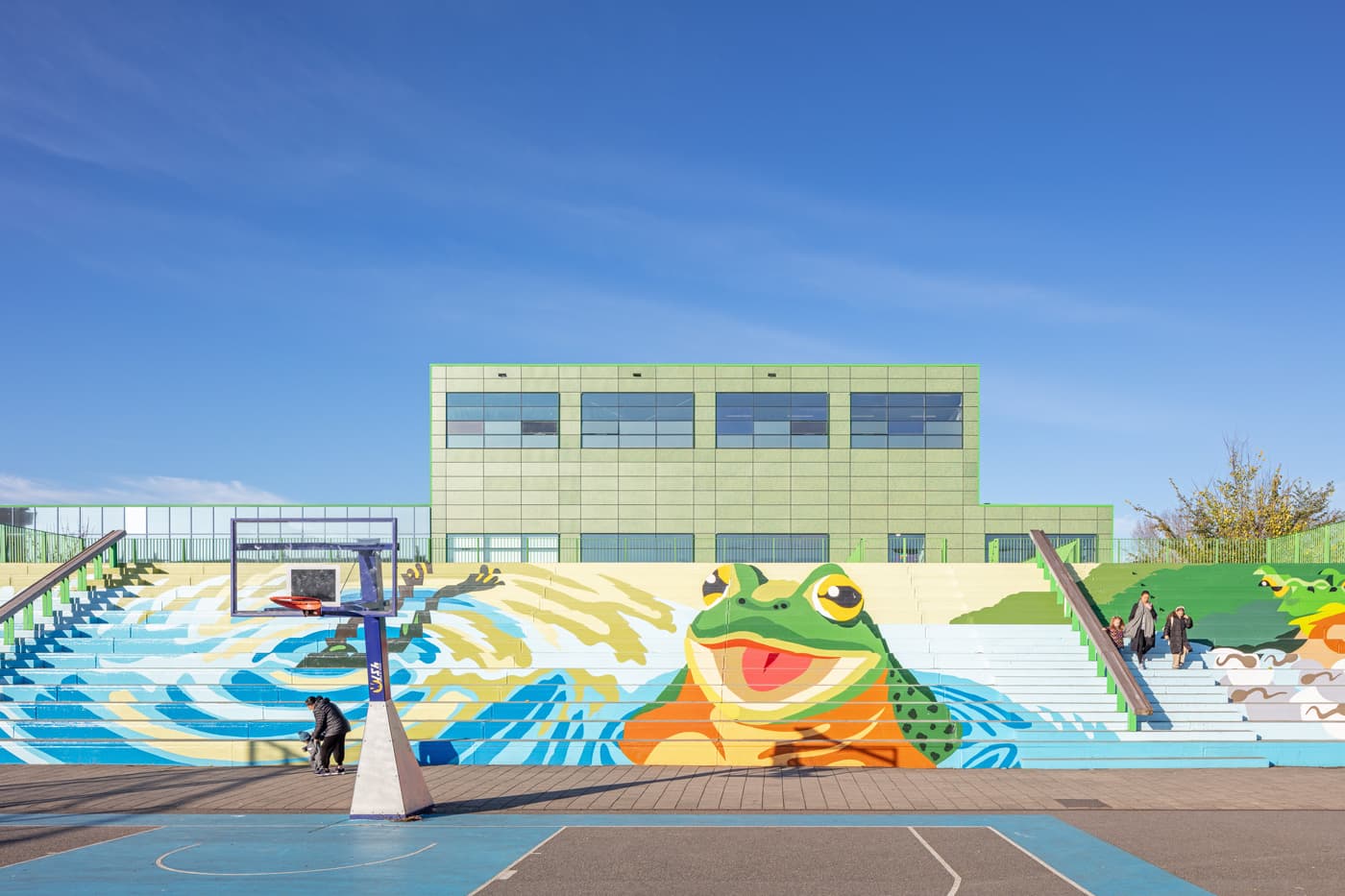
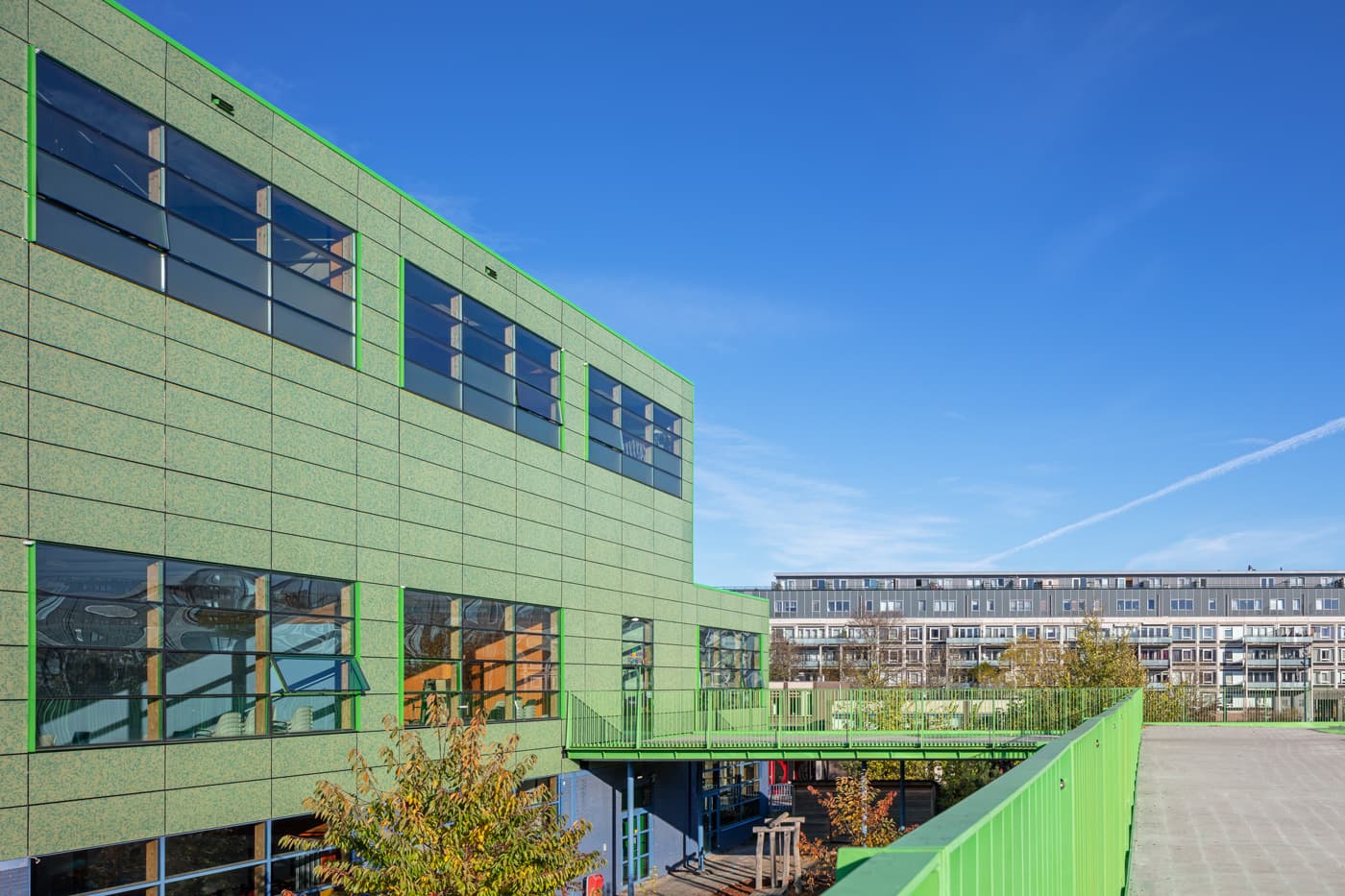
For the renovation of the De Kikker school façade, Solarix solar panels were installed with fire safety as a key priority. In close collaboration with the Amsterdam Fire Brigade, the system was equipped with Rapid Shutdown technology, allowing the façade to be de-energised to zero volts in an emergency.
The installation uses Huawei inverters and optimisers that comply with the new IEC 63027:2023 standard for arc-fault detection. This safety feature, validated through extensive testing by TNO, helps prevent fires caused by electrical arcs.
A total of 507 optimisers, 20 panel types, and eight 6000W inverters were installed by Kuijpers Installatietechniek. The façade-mounted system delivers strong performance, generating over 170 kWh on a sunny day, enough to power approximately 22 households.