The power of solar facades for life science and campus buildings 2
Solar facades are becoming an increasingly valuable solution for life science buildings, combining on-site renewable energy generation with high architectural quality. By integrating photovoltaic technology directly into the building envelope, they help laboratories reduce their environmental impact while maintaining the performance, flexibility, and design standards required for advanced research facilities.
This is particularly important as the life sciences sector continues to grow rapidly, driving strong demand for modern, flexible, and sustainable laboratory buildings. In the Netherlands, the number of life sciences companies has increased by 29% and the sector's real estate footprint by more than 27% since 2015, creating a structural shortage of high-quality laboratory space across major science campuses.
While new developments are needed, redevelopment of existing facilities is also becoming increasingly important as laboratory functions evolve. At the same time, laboratories are among the most energy-intensive building types, consuming up to ten times more energy than offices due to continuous operations, advanced ventilation, and strict climate control requirements.
As sustainability expectations, investor demands, and regulations continue to increase, developing energy-efficient and future-proof life sciences buildings has become a key priority.
Opportunities
The value of solar facades for key stakeholders
Contractors
Project developers
Facade contractors
Architects
One helix, Amsterdam UMC
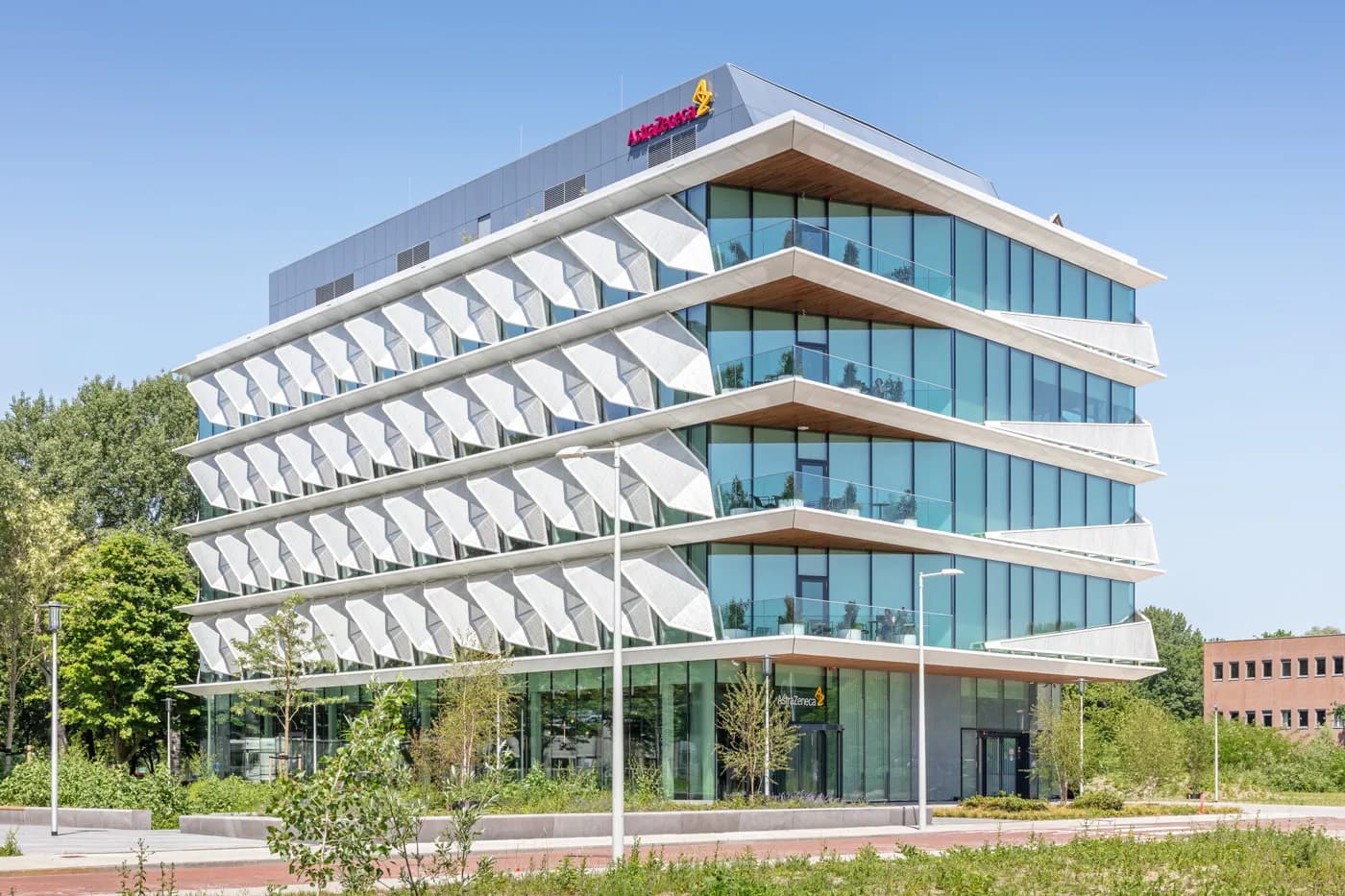
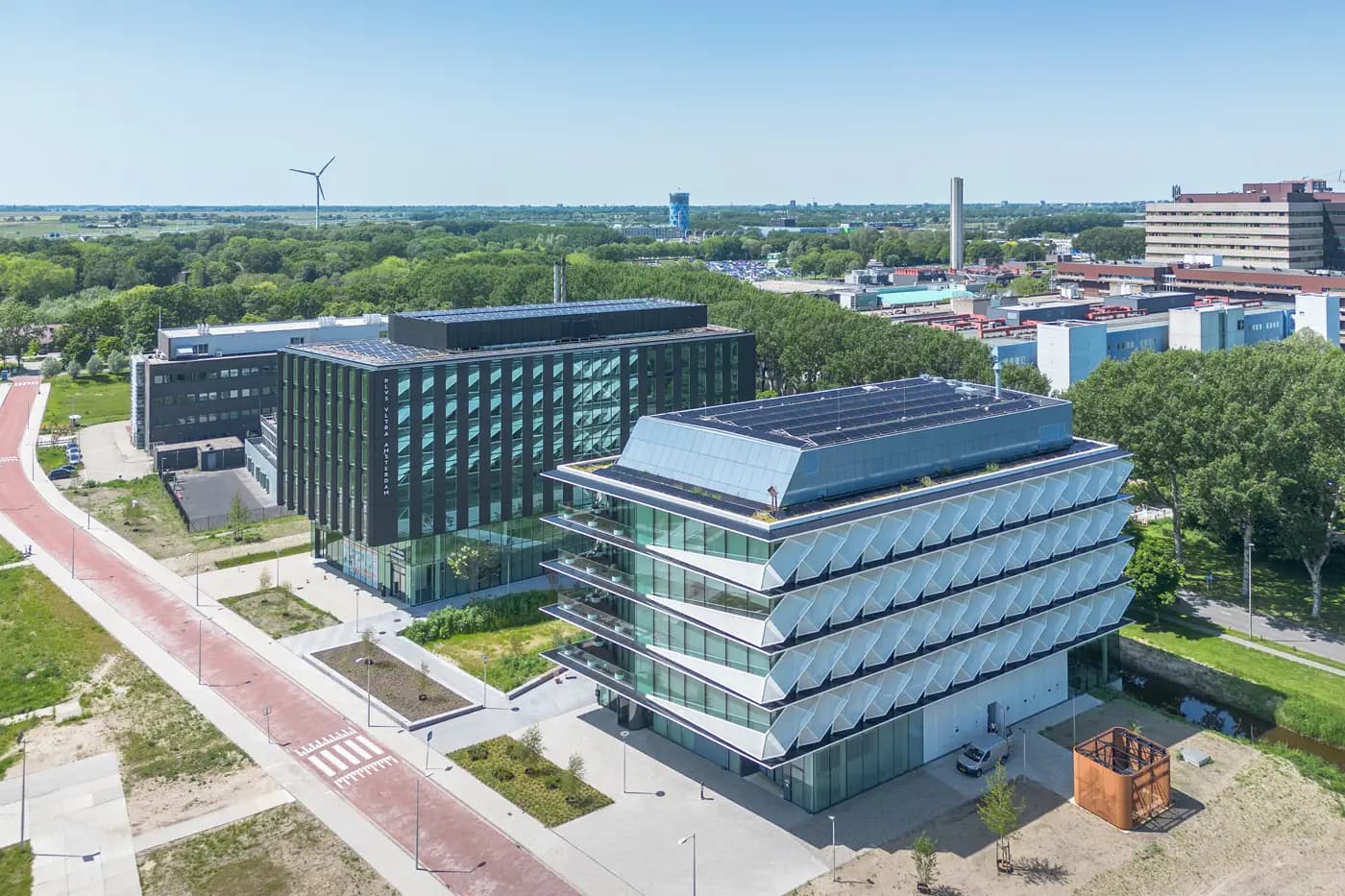
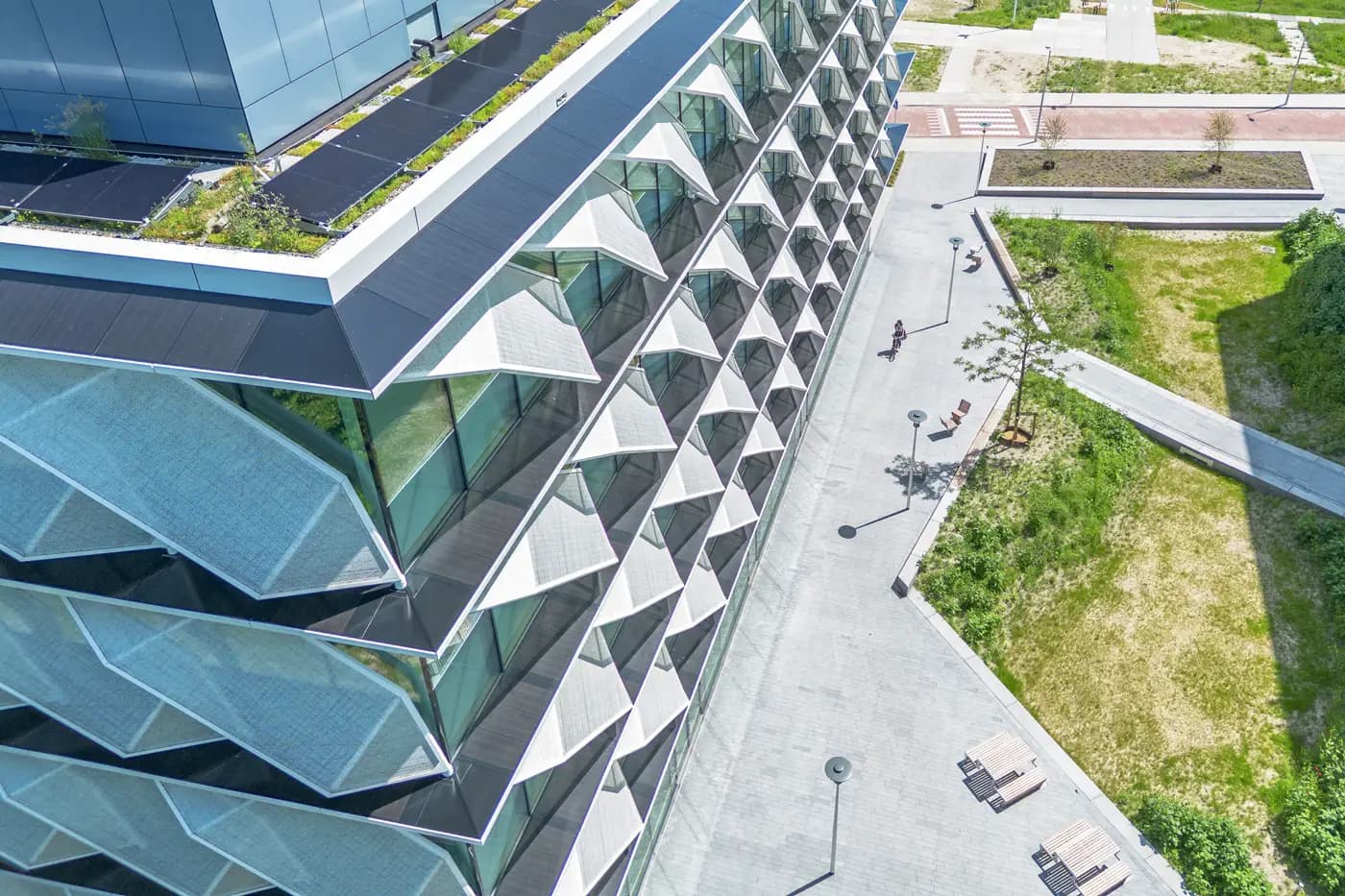
One Helix is a pioneering laboratory building, designed by UNSudio, developed by Breakthrough Properties, built by De Vries en Verburg, and leased to AstraZeneca. Conceived as an all-electric, net energy-positive facility, the building features Solarix solar facades that contribute to its renewable energy generation. It has achieved BREEAM Outstanding certification, setting a new benchmark for sustainable laboratory design.