The strategic role of solar facades in addressing the energy crisis
Over the last few years, electricity prices have repeatedly been disrupted by external shocks. First by post-Covid market tightening, then by the Ukraine energy crisis, and now again by renewed geopolitical pressure in the Middle East. For building owners and developers, this raises a fundamental question: how can assets remain stable and competitive in such an unpredictable energy landscape?
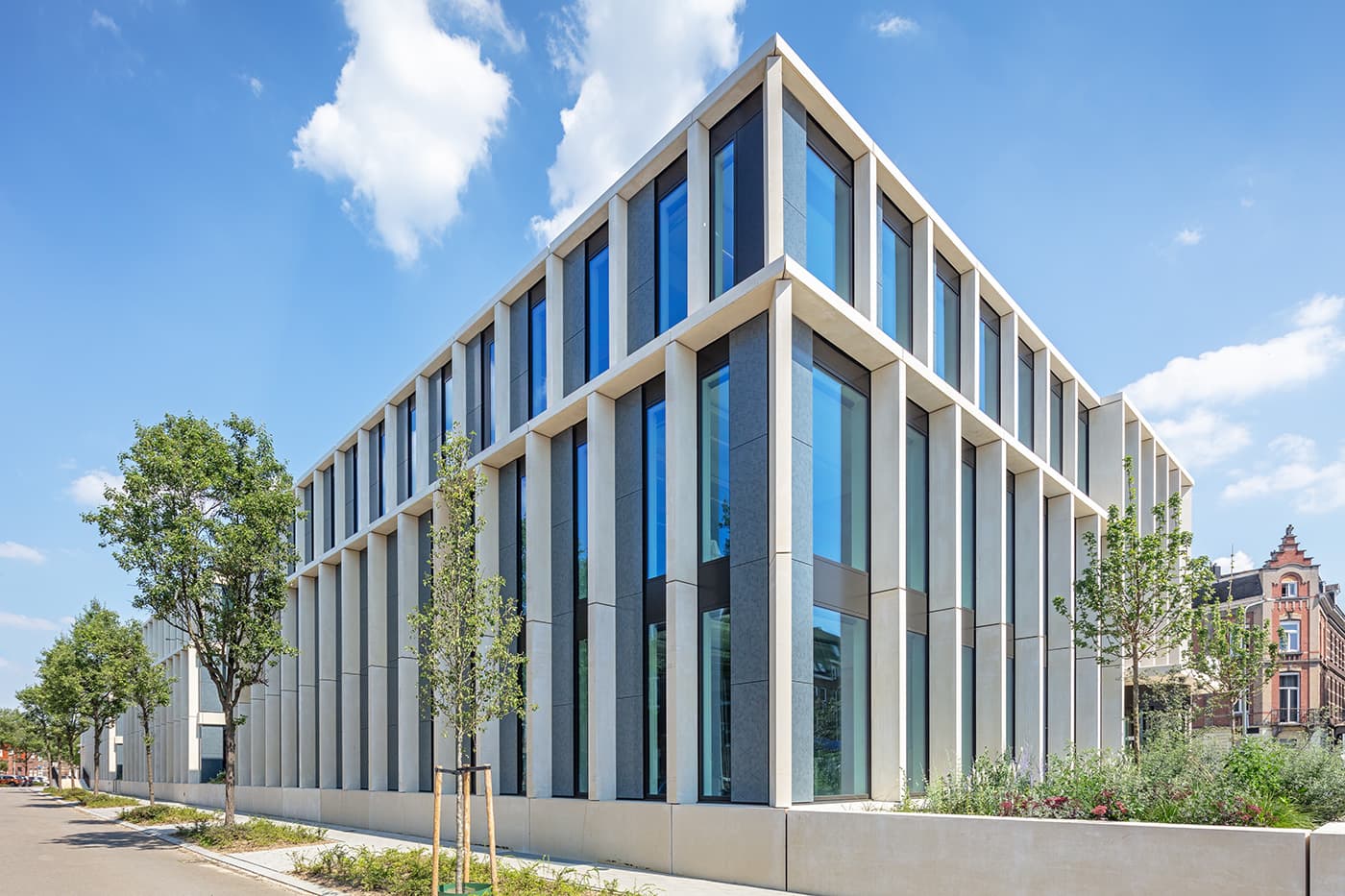
Solar facades are emerging as part of the solution but their role goes beyond sustainability alone. This article examines how they can enhance leasing potential, generate direct economic value, strengthen energy security and perform under rising energy price
egbertdeboer.com-hr20250305-0323-kopie.webp&w=3840&q=75)

Beyond sustainability
The added value of solar facades in times of crisis
1. Strengthening leasing and sale potential
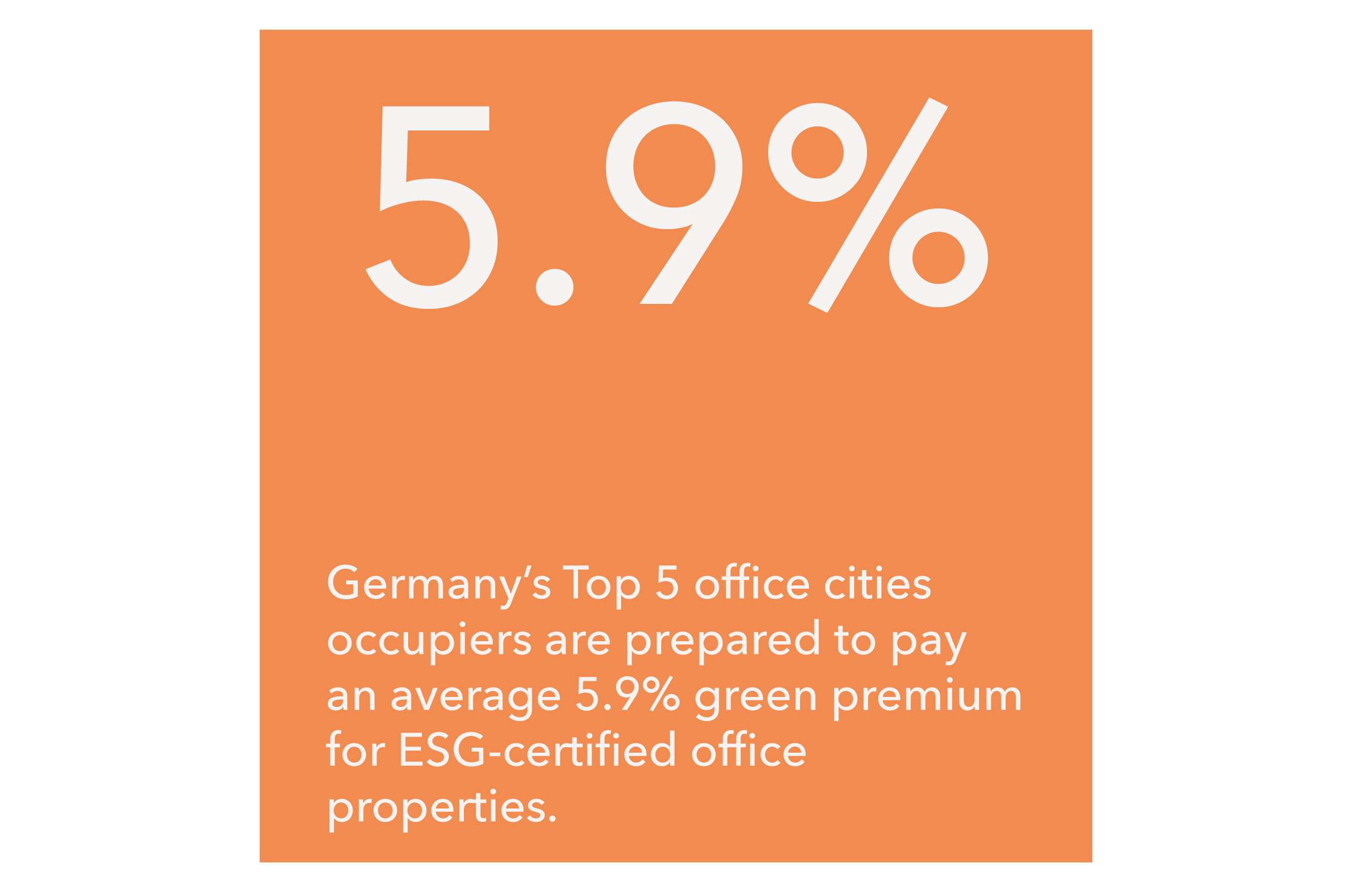
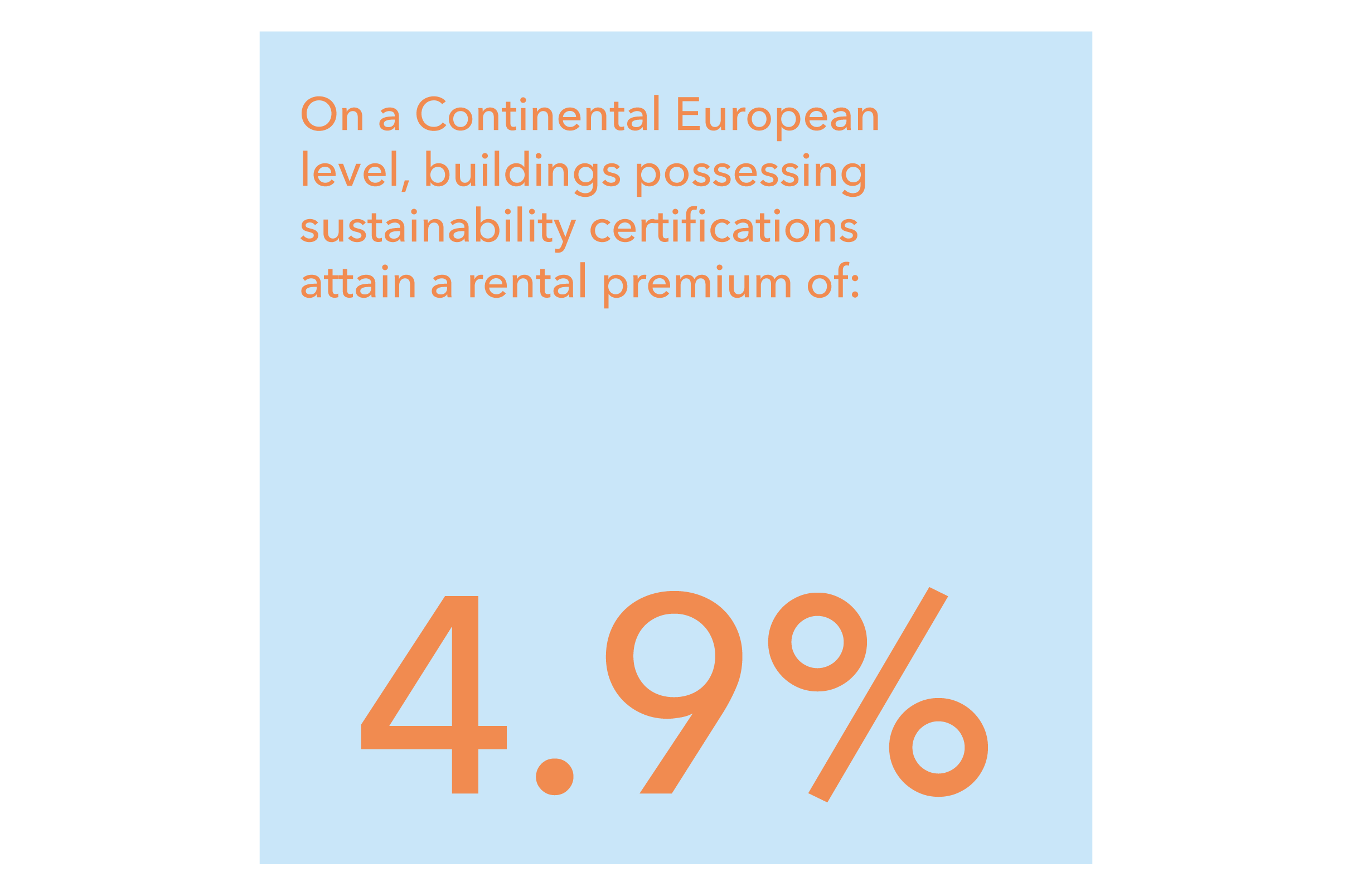
Occupiers prefer buildings with lower operating risks, strong sustainability performance, and predictable long-term costs. According to CBRE, sustainability-certified office buildings achieve an average rental premium of 4.9% across Continental Europe. In Germany’s top five office markets, tenants are willing to pay around 5.9% more for ESG-certified properties.
While a solar facade alone does not create this premium on its own, it directly strengthens the factors behind it: reduced reliance on external electricity, a stronger energy proposition for tenants, improved resilience, and a more future-proof asset.

2. Creating direct economic value
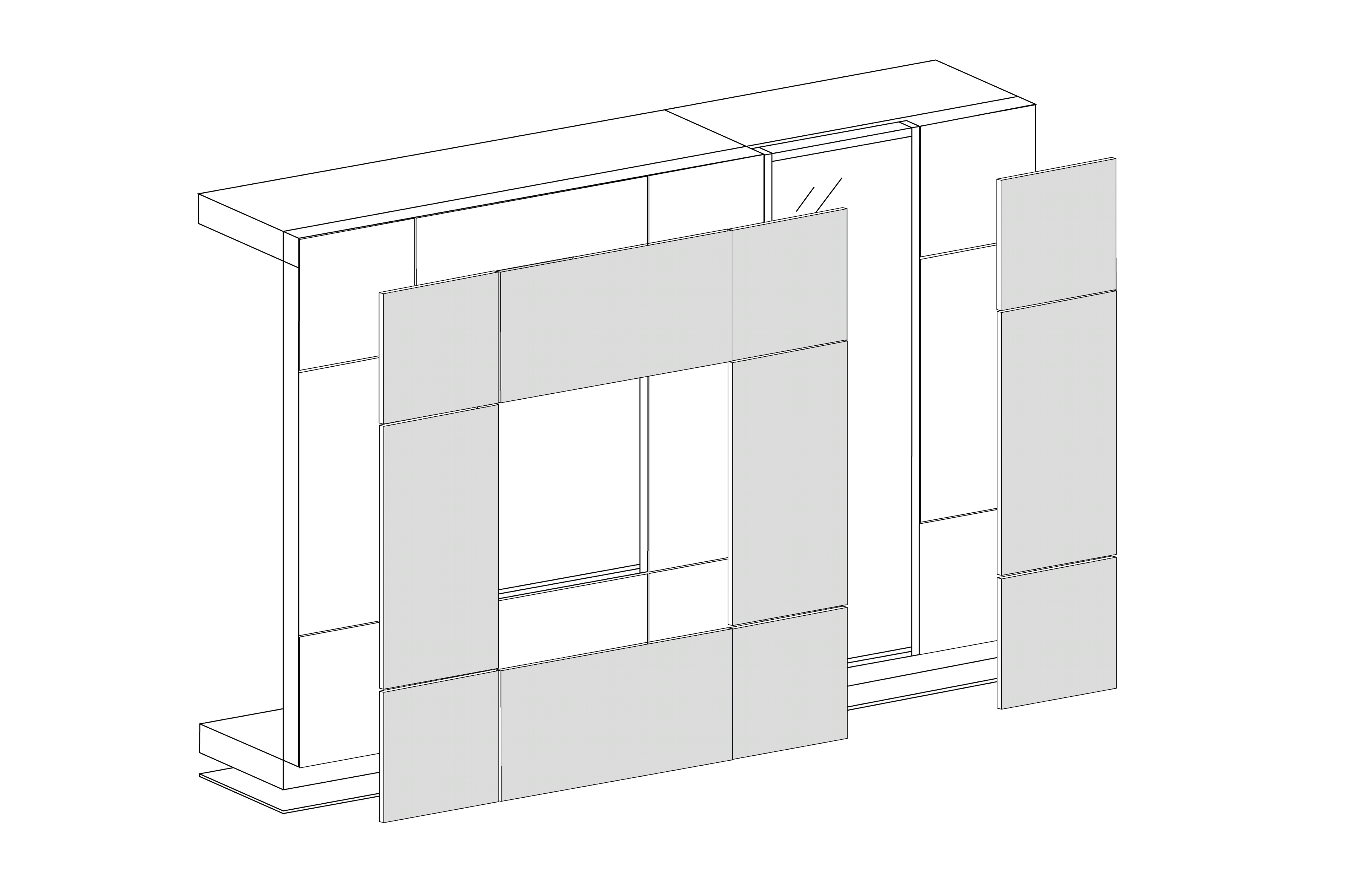
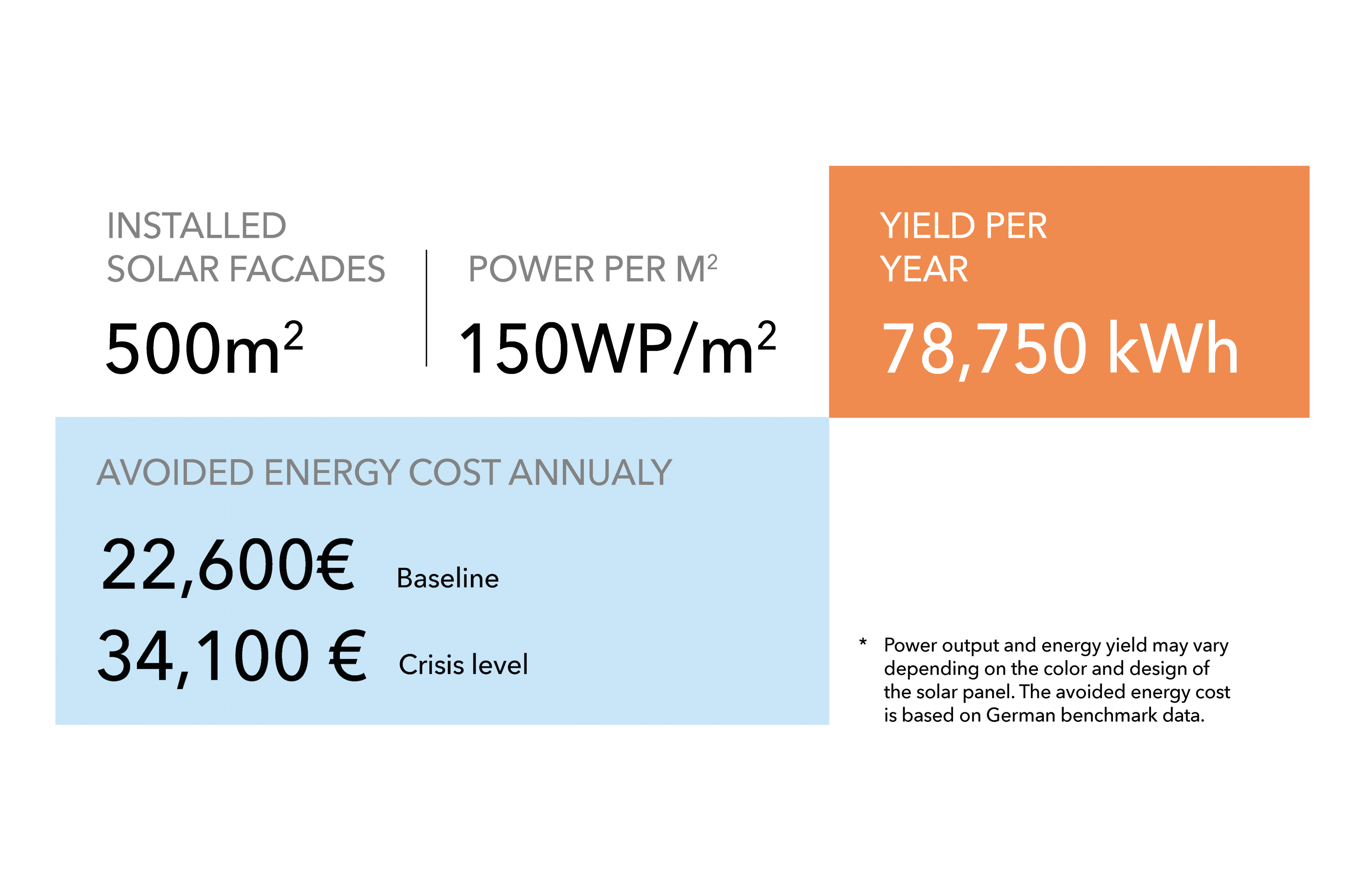
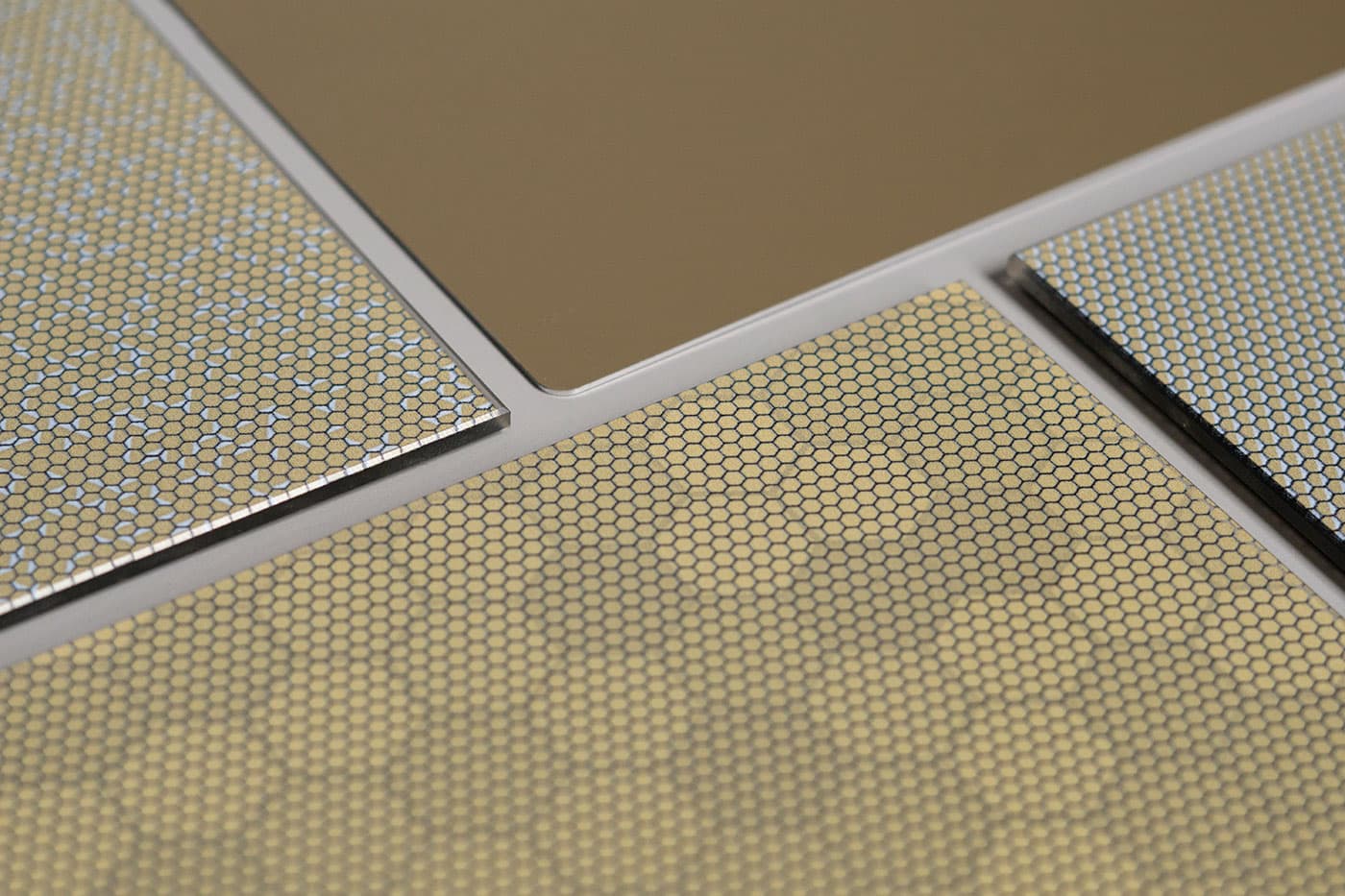
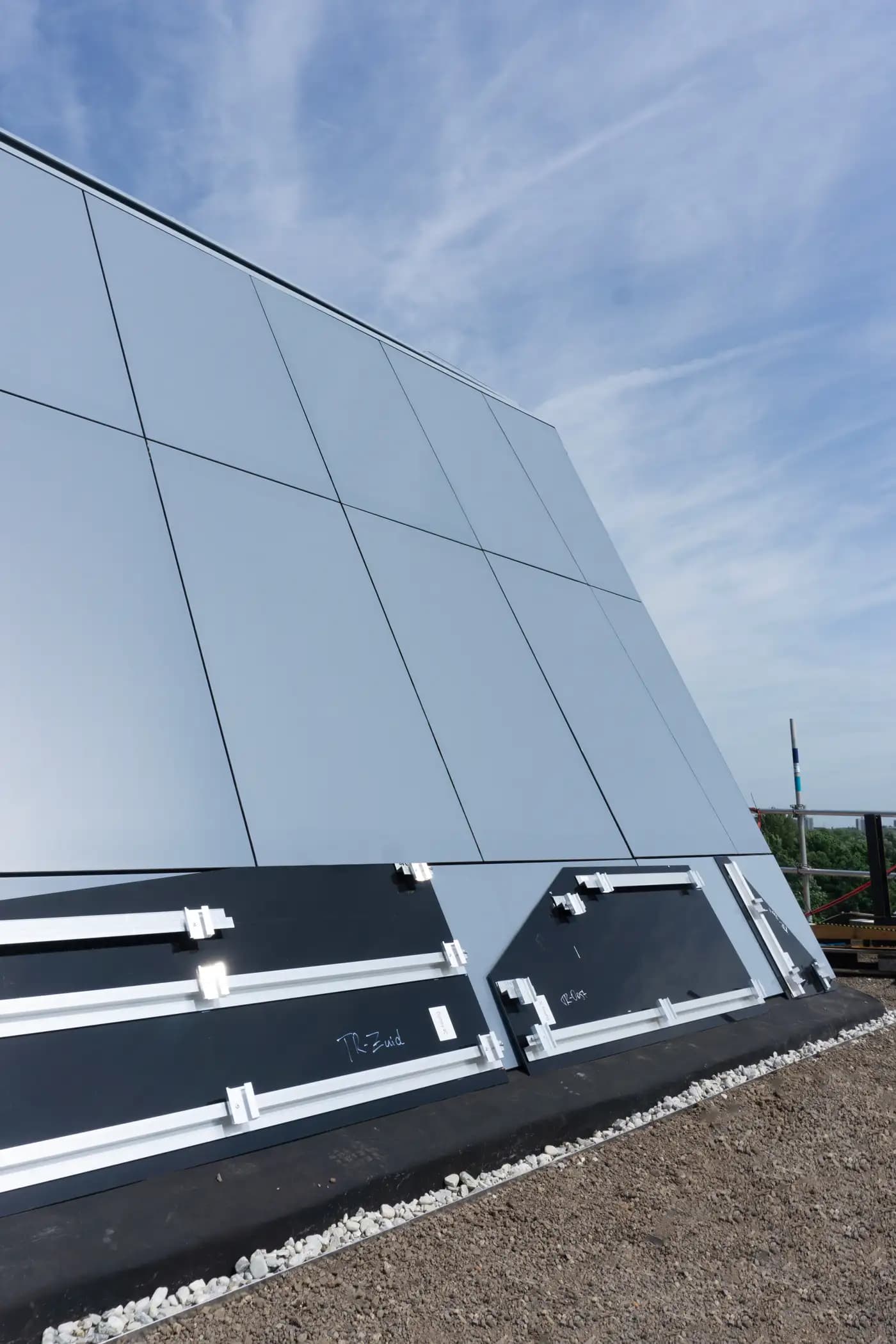
As a representative case, a coloured solar façade of 500 m² with a power density of 150 Wp/m² results in an installed capacity of approximately 75 kWp. Under German conditions, it can generate around 72,000 to 78,750 kWh per year. Based on the 2025 benchmark electricity price of €0.2875 per kWh, this translates into approximately €20,700 to €22,600 per year in avoided electricity costs when the energy is used on-site.
If electricity prices return to crisis levels such as the 43.3 ct/kWh seen in 2022, the same facade would avoid approximately €31,200 to €34,100 in annual electricity costs. In other words: a solar facade becomes more valuable precisely when the market becomes more difficult.
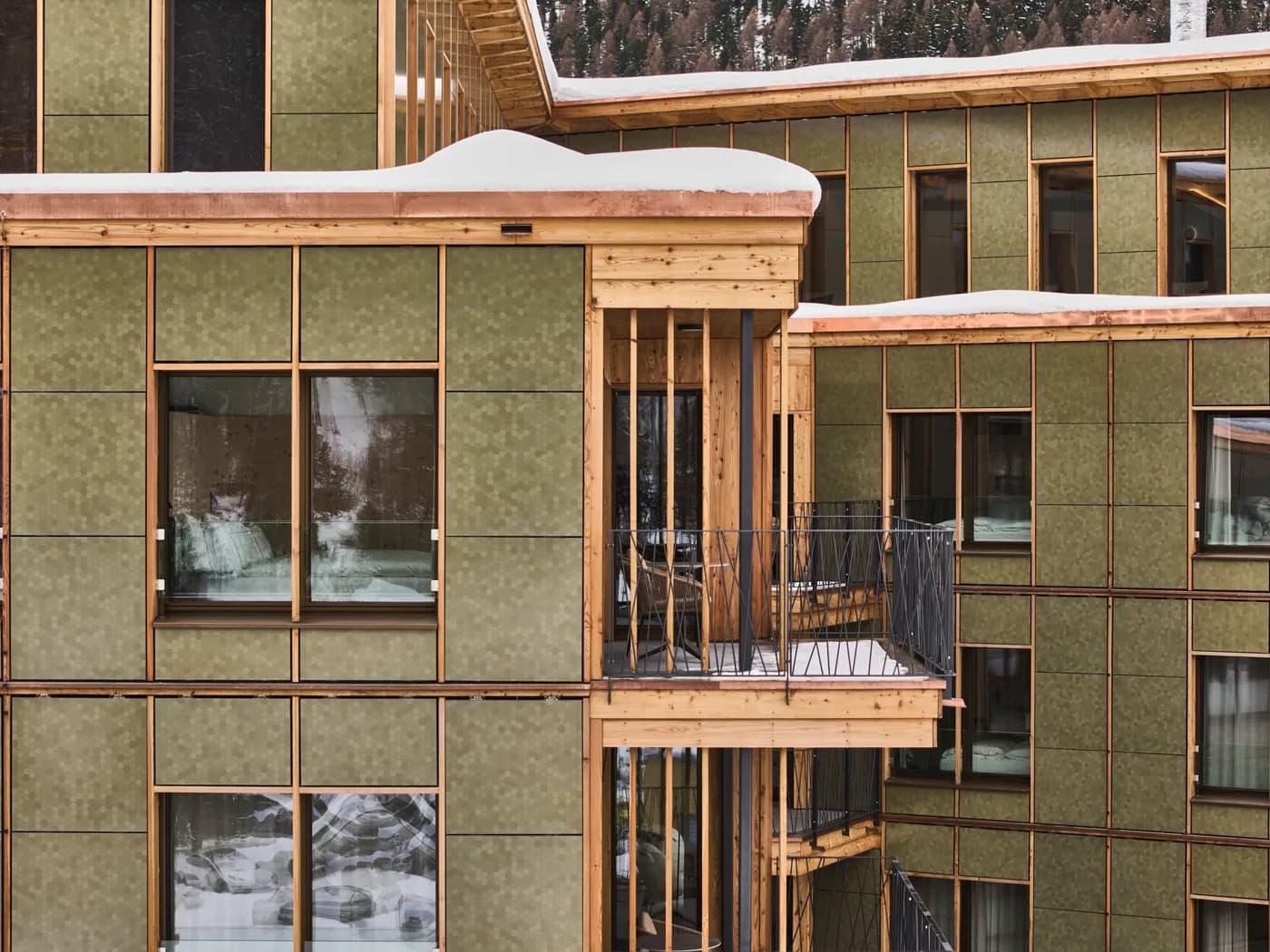
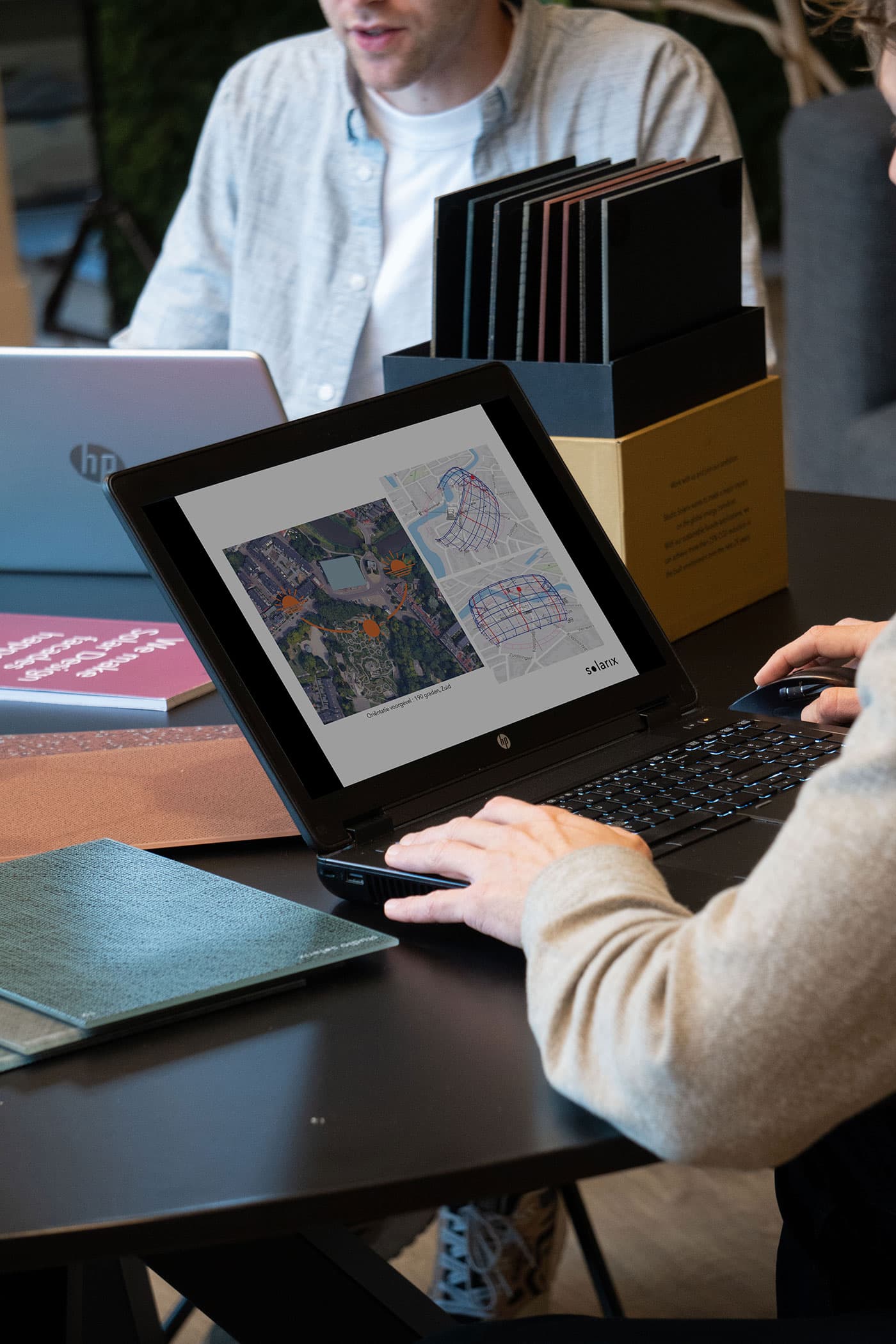
Please note that each facade is unique, and actual performance will vary depending on factors such as colour, design, building orientation, and site-specific conditions. To provide a more accurate assessment tailored to your project and to better understand the potential energy generation of your building, we offer a SolarCheck service, delivering detailed, project-specific insights and performance estimates.
3. Reducing dependence and improving security
Buildings that generate a significant share of their electricity on-site are less exposed to price volatility and supply risks. At the same time, grid costs remain a structural challenge. The Bundesnetzagentur reports commercial network tariffs of 8.49 ct/kWh for 2025, while BDEW estimates that distribution grid investments will reach around €110 billion by 2033 and €207 billion by 2045. Reducing electricity purchases is therefore not only an energy strategy, but also a way to protect against long-term cost increases driven by infrastructure.
For facility owners and managers, this translates into greater control, more predictable service charges, improved energy budgeting, reduced exposure to price spikes, and a stronger positioning of the property as not only efficient, but operationally secure.

egbertdeboer.com-hr20250305-0256.jpg&w=3840&q=75)
The real opportunity in energy crises is not only to protect against downside. It is to create buildings that become more valuable precisely because they are less exposed than the market around them.
Energy crises expose vulnerabilities but they also highlight opportunities. Solar facades demonstrate that buildings can move beyond passive consumption to become active contributors to their own resilience and value.
As the energy landscape continues to evolve, the question is no longer whether buildings should integrate renewable solutions, but how far they can go in doing so. Solar facades offer a clear step in that direction: turning risk into resilience, and uncertainty into long-term opportunity.